

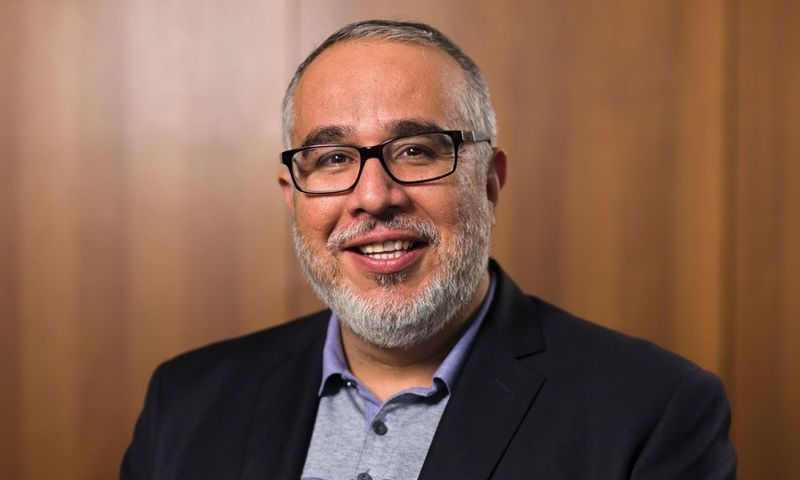
On Tuesday, March 17, our university hosted an academic seminar titled “Spirituality and Practical Theology.” The event provided a profound opportunity to examine the role of the Holy Spirit—the very foundation of contemporary church ministry and practical theology—through biblical, theological, and traditional lenses.
The keynote was delivered by Dr. Oscar Merlo, the founding director of the Center for Spiritual Renewal at Biola University.
The Holy Spirit as the Driving Force of Theology
In his lecture, Dr. Merlo challenged the perspective of viewing the Holy Spirit as a mere “auxiliary” figure. Instead, he emphasized that the work of the Spirit is the primary subject and driving force of practical theology.
“Practical theology is not a matter of mere methodology or programming,” Dr. Merlo stated. “It is a theology of discerning and responding to how God is working within the church and our daily lives.”
He further argued that the ministry of the Holy Spirit lies at the very heart of this discernment and implementation.
A Multi-Dimensional Approach
The seminar explored the role of the Spirit through three distinct frameworks:
-
Biblical Approach: Interpreting scriptural texts through the lens of the Spirit.
-
Theological Approach: Reflecting on the confessions and traditions of the Church.
-
Epistemological Approach: Addressing the fundamental question of “how we know.”
Through these perspectives, Dr. Merlo demonstrated how the Holy Spirit serves as the practical engine that moves the church’s ministry and actions forward.
Personal Testimony and Trinitarian Presence
Sharing his own experiential background with Scripture, Dr. Merlo illustrated how the Spirit’s guidance and revelation have functioned throughout his life journey. He placed a strong emphasis on the personal presence of the Holy Spiritwithin the Trinity.
Concluding the lecture, he reminded the audience that “the Holy Spirit is not merely a ‘power,’ but God Himself—illuminating the Word, building the community, and directing the path of ministry within the lives of believers and the Church.”